What You Need to Know About the Revised ISO 105-B04
Blog
Last Updated 2026
ISO 105-B04: Colour Fastness to Artificial Weathering: Xenon Arc Fading Lamp Test is an internationally-recognized test method used to evaluate the light fastness of textiles exposed to simulated outdoor conditions.
Updated in 2024, the revision brings long-needed clarity to how this test method should be performed. Most notably, it clears up any confusion around optical filter selection, directly impacting how laboratories configure xenon arc testers.
What’s New in the 2024 Revision of ISO 105-B04
Clear Requirement for Daylight Optical Filters 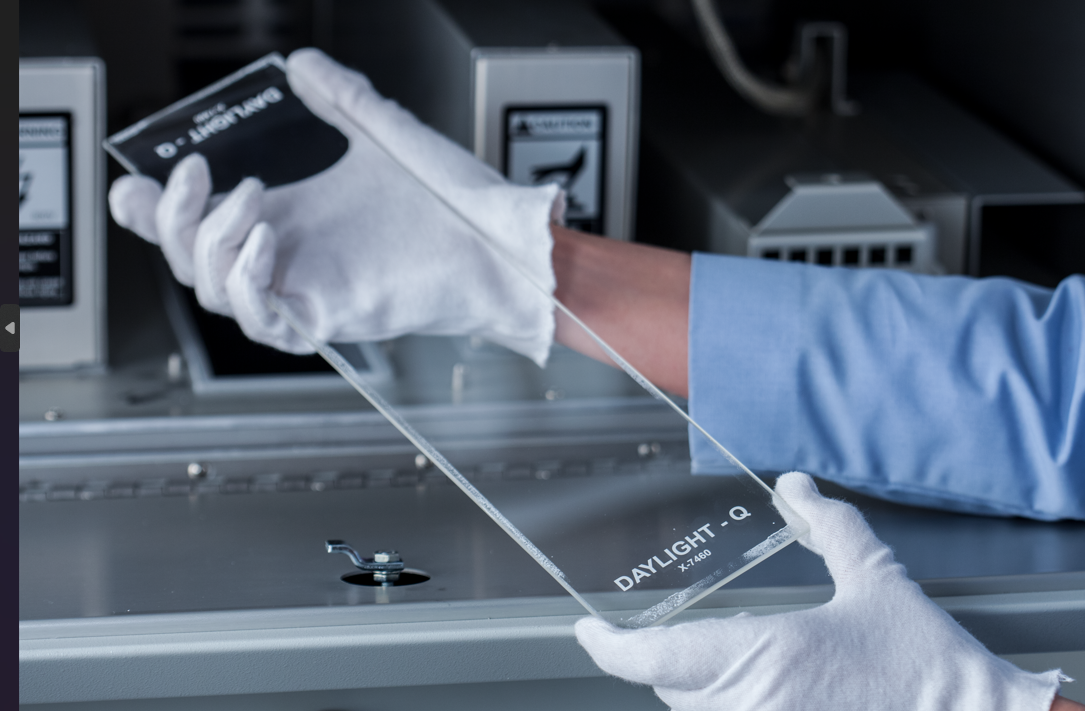
The most significant technical change is the explicit requirement for Daylight optical filters. Previous versions relied on confusing language that led to multiple interpretations. The 2024 revision now clearly states that xenon arc light must be filtered to simulate natural daylight, referencing established CIE daylight definitions and providing a spectral irradiance table to remove ambiguity.
Alignment With Modern Weathering Standards
By including a spectral irradiance table (now standard practice in weathering specifications) ISO 105-B04 aligns more closely with other modern xenon arc standards. This reduces guesswork and improves test-to-test consistency across laboratories.
How To Perform ISO 105-B04 According to the 2024 Revision
Step 1: Select the Correct Optical Filters
Configure the xenon arc tester with Daylight optical filters that meet the ISO 105-B04 spectral requirements.
- Recommended: Daylight-Q
- Permitted: All Q-Lab Daylight filter options, as agreed between test parties
*"Type I" optical filters like Daylight-Q and Daylight-F provide a closer match to outdoor sunlight than Type II filters like Daylight-B/B, though both types are permitted.
Step 2: Configure the Test Instrument
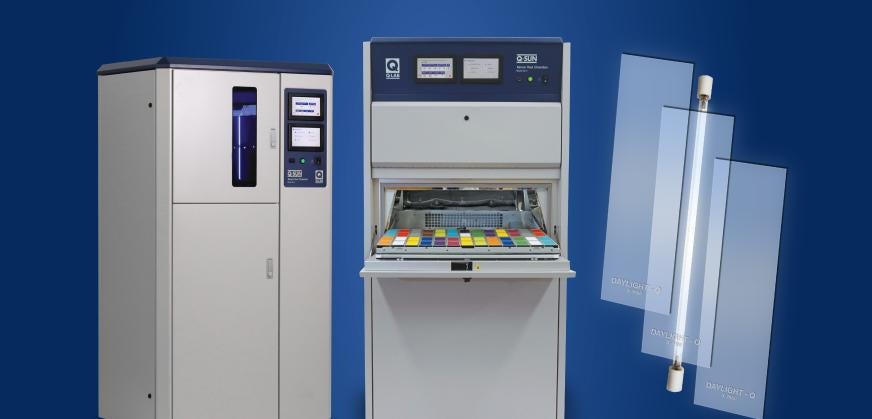
Both Q-SUN Xe-2 and Xe-3 testers can perform ISO 105-B04 using Daylight filters. No additional IR-blocking filters are required when the instrument can maintain the specified temperature limits.
Step 3: Protect Blue Wool References 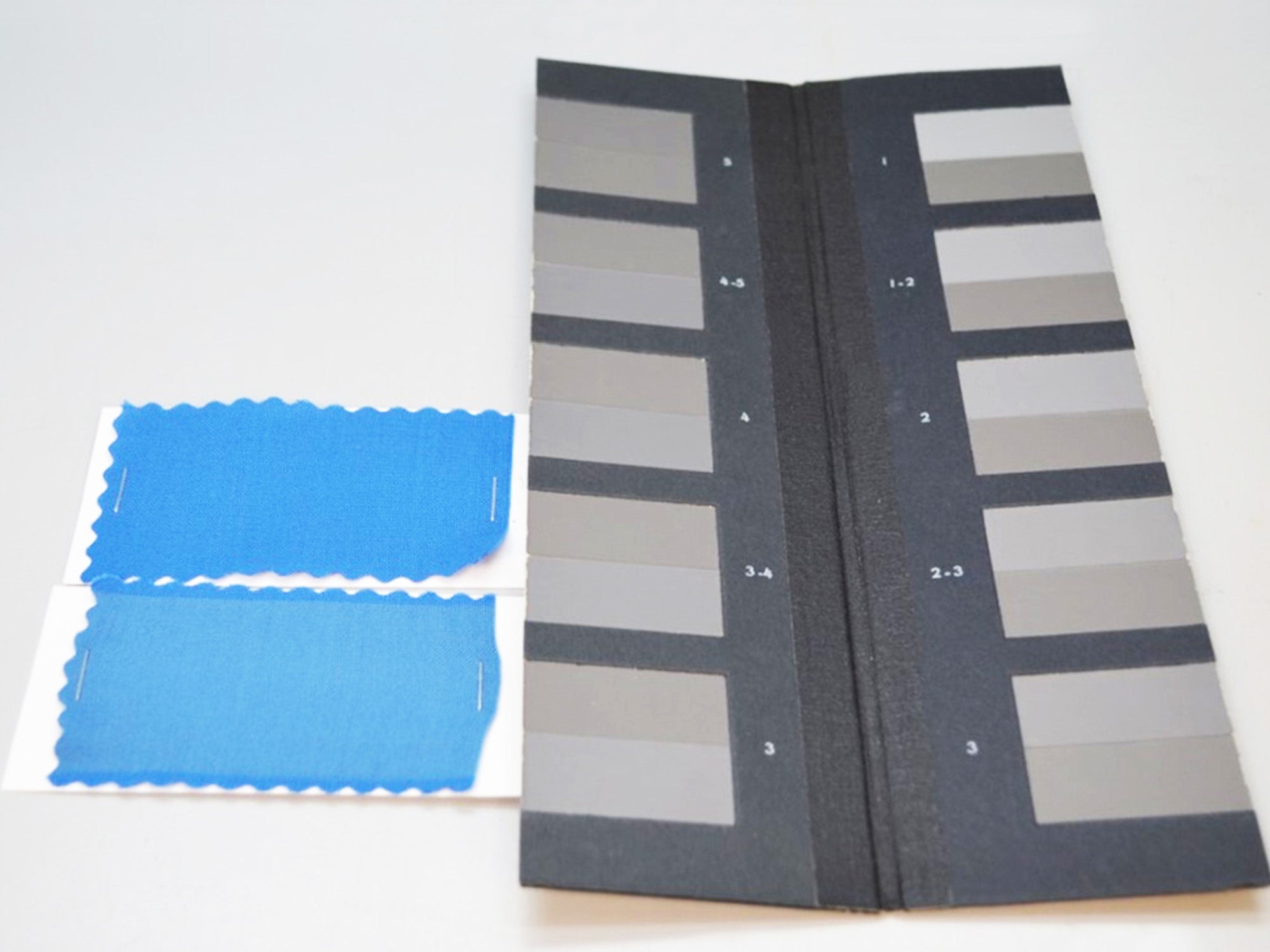
Although the exposure now simulates direct sunlight, ISO 105-B04 continues to rely on blue wool references for control and comparison.
- Blue wool references must be shielded from water spray
- The protective glass must meet Window glass transmission requirements
- For Q-SUN Xe-2 users, the standard blue wool holder with Window-Q glass provides the best match
Custom holders may be required for Xe-3 systems, as this configuration is less common
Step 4: Address Historical Data Carefully
Labs with existing ISO 105-B04 data generated using Window filters should recognize that those setups do not meet the 2024 revision. However, maintaining legacy configurations may still be appropriate for internal trend analysis or historical comparisons.
Key Differences Between the Old and New ISO 105-B04
- Daylight filters are now mandatory, not implied
- Window-based test configurations are no longer compliant
- Spectral requirements are explicitly defined
- Alignment with other modern xenon arc standards is improved
For laboratories seeking clarity, consistency, and alignment with modern weathering standards, the updated ISO 105-B04 provides a much more straightforward path forward.
Ready to start testing? Contact our team today!
Frequently Asked Questions (FAQ)
Q: What is the biggest change in ISO 105-B04:2024?
A: The standard now requires Daylight optical filters and includes a spectral irradiance table, eliminating previous ambiguity.
Q: Are Window glass filters still allowed?
A: No. Window glass filters do not meet the current version of ISO 105-B04 for specimen exposure. They are only relevant for protecting blue wool references.
Q: Can I still compare new results to old ISO 105-B04 data?
A: Yes, but results generated with Daylight filters may differ from historical Window-based data. Many labs choose to maintain legacy configurations for internal comparisons.
Q: Which Q-SUN systems support the updated standard?
A: Both Q-SUN Xe-2 and Xe-3 testers can perform ISO 105-B04 using Daylight filters.
Q: Which Daylight filter should I use?
A: Daylight-Q or Daylight-F (Type I) filters are recommended for the closest match to natural outdoor sunlight.