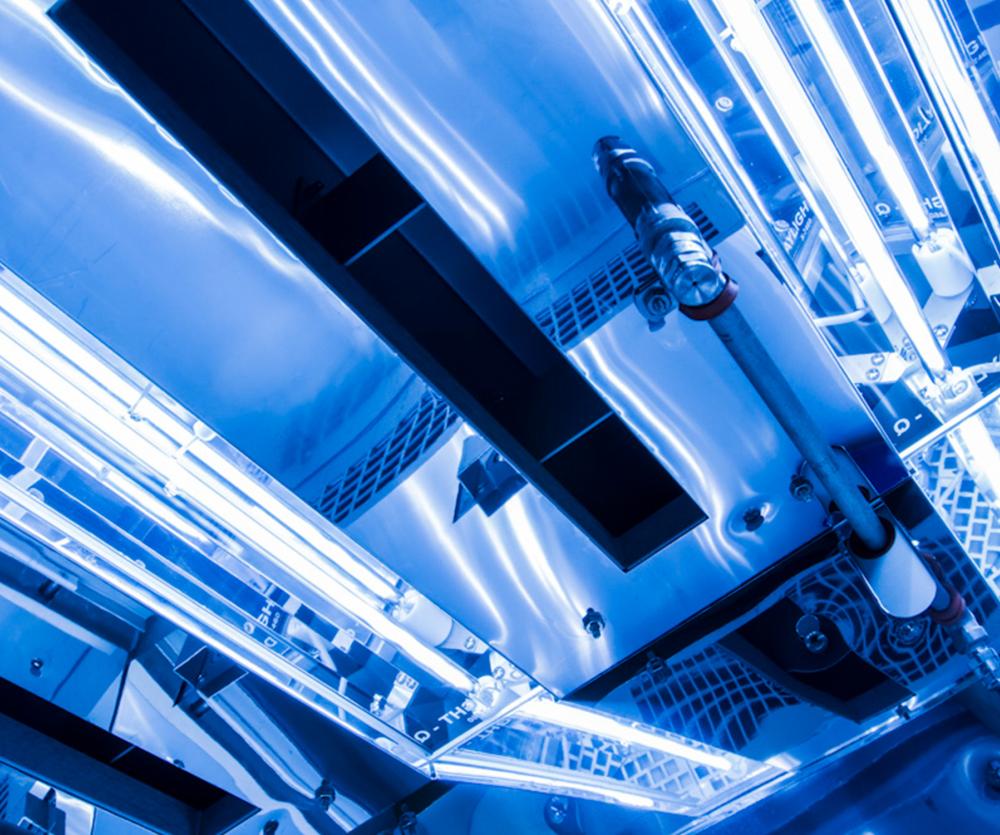
General Guidance for Laboratory Light Exposure Testing
ISO 4892-1 establishes general requirements for exposing materials to laboratory light sources to evaluate their resistance to light, heat, and moisture. Although developed in ISO's plastics committee, the information is general to weatherability testing, and indeed much of the same content is found in ISO 16474-1, its counterpart in the Paints committee. ISO 4892-2 provides guidance on test principles, equipment performance, exposure conditions, specimen preparation, and results interpretation, helping users to run tests more consistenly and reliably across different instruments and laboratories. As the core framework for the ISO 4892 series, this standard supports materials durability testing that helps manufacturers with new product development, qualification, and setting long-term performance expectations.
Key Guidelines Defined in ISO 4892-1
ISO 4892-1 establishes a framework for conducting laboratory light exposure testing on plastics, though the principles are general enough to apply to other materials as well. Other parts of the ISO 4892 series define the specific test conditions and cycles used to actually perform weathering testing.
Test Purpose and Use
- Accelerated laboratory weathering exposures are intended to compare relative material durability
- No laboratory test is a complete simulation of real-world exposure
- Results should not be used to assign universal acceleration factors or predict service life, without outdoor data for correlation
- Replicates and control materials are recommended
Laboratory Exposure Devices
- Defines general requirements for producing and controlling laboratory light sources containing UV, visible, and infrared radiation, with reference solar spectra for comparison.
- Outlines requirements for irradiance unformity and specimen repositioning
- Defines black panel and black standard (insulated black panel) thermometers for temperature, as well as optional chamber air temperature control
- Presents options for water delivery including humidification, condensation, water spray, and immersion, plus requirements for water purity.
- References instrument-specific methods defined in:
- ISO 4892-2 (Xenon arc)
- ISO 4892-3 (Fluorescent UV)
- ISO 4892-4 (Carbon arc)
Test Specimens
- Test specimens should be prepared using methods that closely reflect real-world manufacturing processes
- Replicates are needed for statistical significance, especially for tests that will undergo destructive testing
- Standardized practices for storage and handling are encouraged to minimize variability between tests
Test Conditions and Procedure
- Establishes tolerances for test parameter measurement at the control point, known as "operational fluctuation."
- Supports both destructive and non-destructive property measurements
- Recommends evaluation intervals based on time or radiant exposure needed to produce a defined change in a material property
- Explains how results are to be reported and used in specifications
Together, these guidelines give a general idea of how accelerated weathering testing can be conducted. Annexes to the document also provide information on measuring uniformity, understanding challenges in developing correlation, and solar reference spectra.
How Q-Lab Can Help
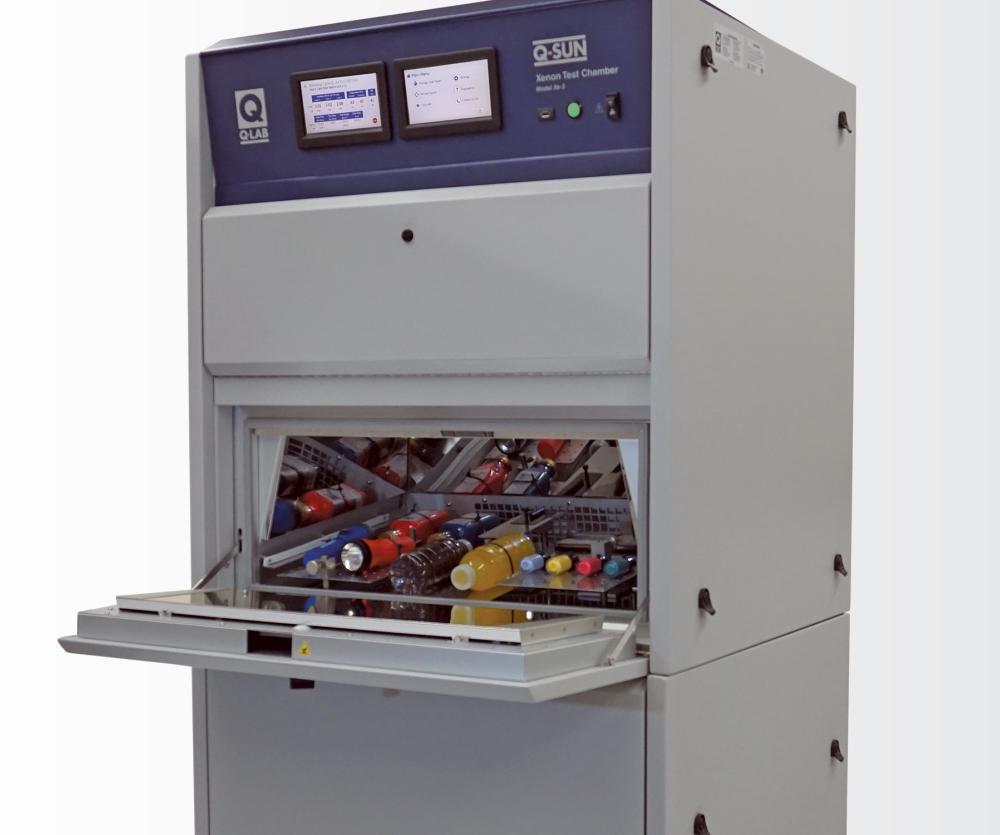
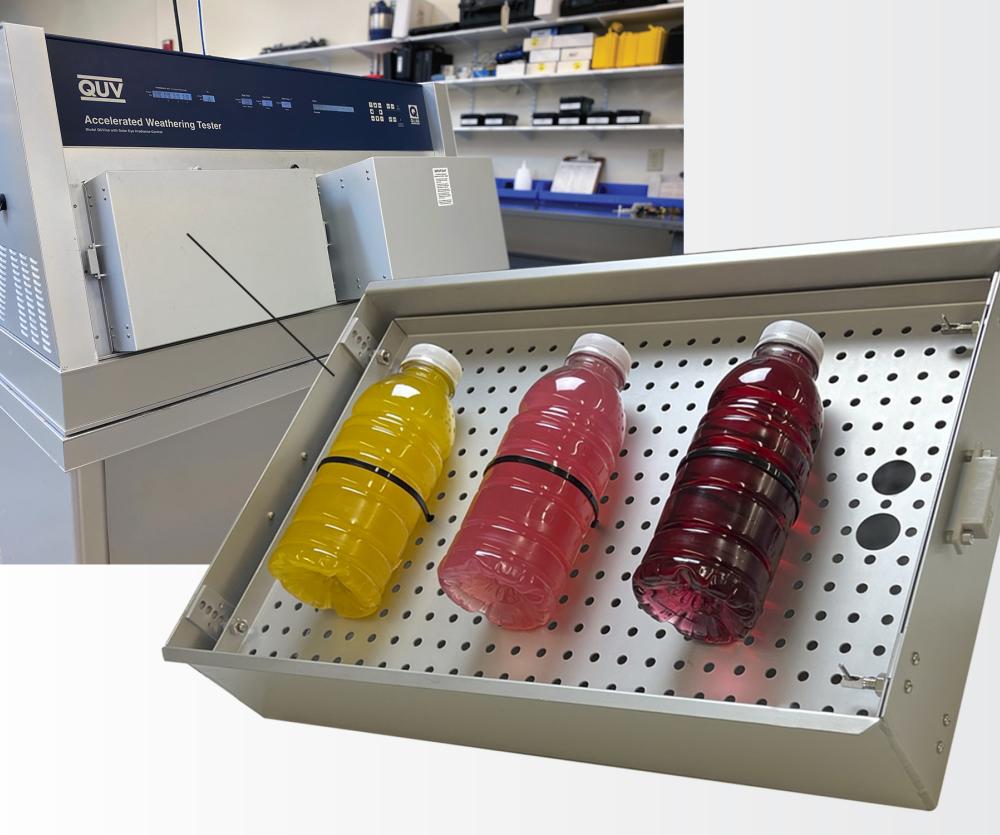
The QUV accelerated weathering test chamber and Q-SUN xenon arc test chamber are fully capable of meeting test methods that reference ISO 4892-1 and the related instrument-specific standards it supports and references. Q-SUN testers are designed to perform testing according to ISO 4892-2 Plastics - Methods of exposure to laboratory light sources - Part 2: Xenon-arc lamps, while QUV testers meet the requirements of ISO 4892-3 Plastics -- Methods of exposure to laboratory light sources -- Part 3: Fluorescent UV lamps.
For organizations exploring accelerated weathering and light stability testing but not yet ready to invest in QUV or Q-SUN equipment, Q-Lab offers comprehensive laboratory exposure testing services in our fully equipped facilities in Florida and Germany.
Q-Lab’s weathering and light stability tests support quality control, material certification, exterior durability studies, and performance predictions. We also serve as an independent third party when objective verification of test results is required. For more details on our accelerated weathering capabilities, please refer to the Q-Lab Testing Services brochure.
Accelerated Laboratory Testing Resources
Standards
Review setup and performance information on key international and OEM test standards from ASTM, ISO, SAE, JIS, GB, and more.
Document Library
Browse Q-Lab’s extensive library of weathering testing literature and technical content.
Contact Q-Lab
For information on Q-Lab's testing services options, contact our team of experts today!