ASTM G151: Foundation for Accelerated Weathering Testing
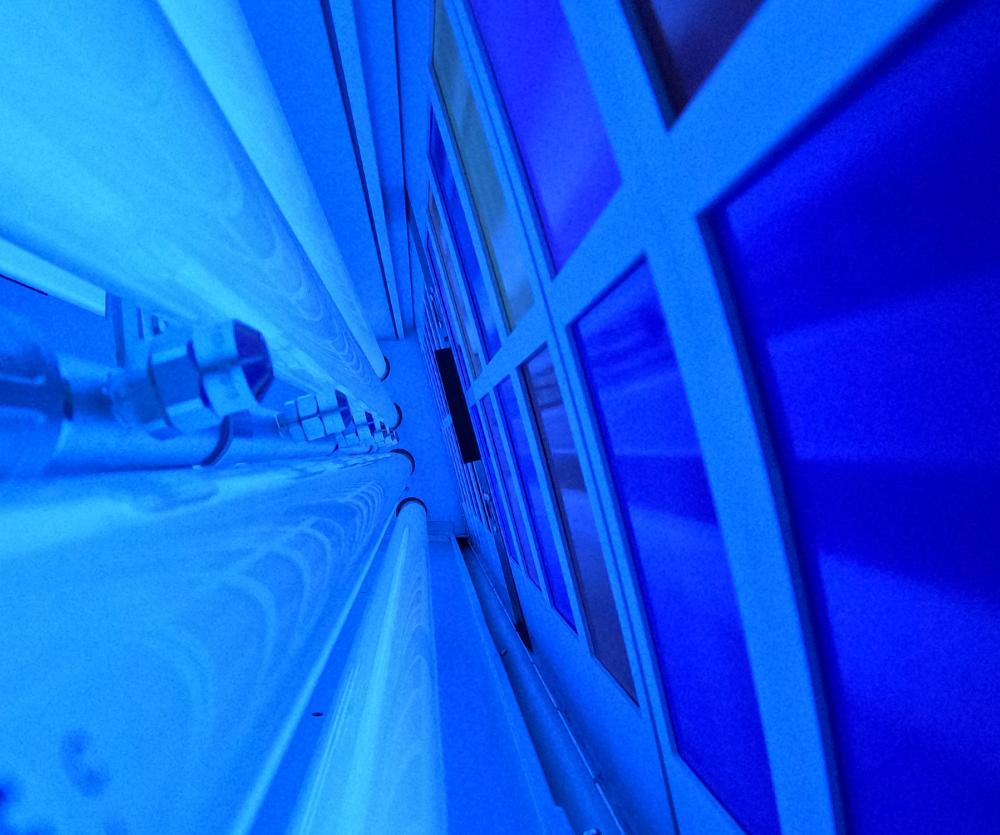
ASTM G151 provides a framework for accelerated weathering tests using laboratory light sources to evaluate the durability materials. It defines best practices for controlling exposure conditions such as light, temperature, and moisture, and for interpreting results to compare relative material performance. Serving as the foundation for common xenon arc, carbon arc, and fluorescent UV test methods, ASTM G151 helps ensure consistent test setup and execution across laboratories.
Key Principles of ASTM G151
ASTM G151 establishes high-level guidance to ensure accelerated weathering tests are consistent, controlled, and meaningful. Key guidelines include:
Test Purpose & Use
- Designed to compare the relative durability of materials under controlled laboratory light exposure.
- Results are best used for material ranking and quality control. Although correlation to real-world results is common, test results do not typically lead to an acceleration factor or direct service life prediction.
Laboratory exposure devices
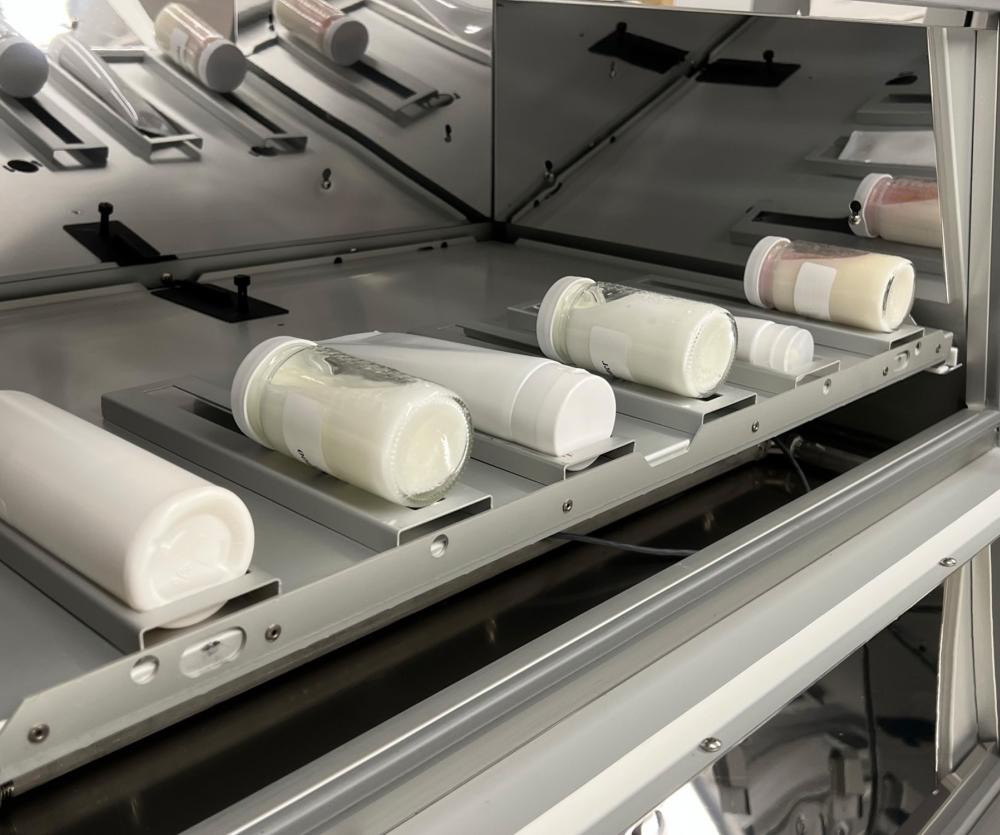
- Defines general requirements for laboratory light sources, including xenon arc, carbon arc, and fluorescent UV, including control and measurement of irradiance intensity and spectral distribution.
- Provides guidance for temperature control, emphasizing the use of insulated or uninsulated black (or white) panel thermometers, as well as the optional use of chamber air temperature monitoring and control
- Outlines water delivery methods by control of relative humidity, and liquid water in the form of spray, condensation, or immersion.
Specimen Handling & Preparation
- Outlines best practices for specimen preparation and mounting to reduce variability.
- Encourages use of replicate, control, and reference materials for reliable comparisons.
- Defines best practices for storage and conditioning of test specimens
Exposure Duration & Evaluation
- Advises evaluating materials periodically, based on time or radiant exposure required to reach a defined property change.
- Offers guidance on use of destructive and non-destructive tests
- Discourages use of generic acceleration factors without statistical validation.
- Provides guidance on preparing test reports to document exposure conditions, test procedures, and results, for transparency and repeatability.
Together, these guidelines form the backbone of reliable accelerated weathering programs and support consistent testing across laboratories and applications.
How Q-Lab Can Help
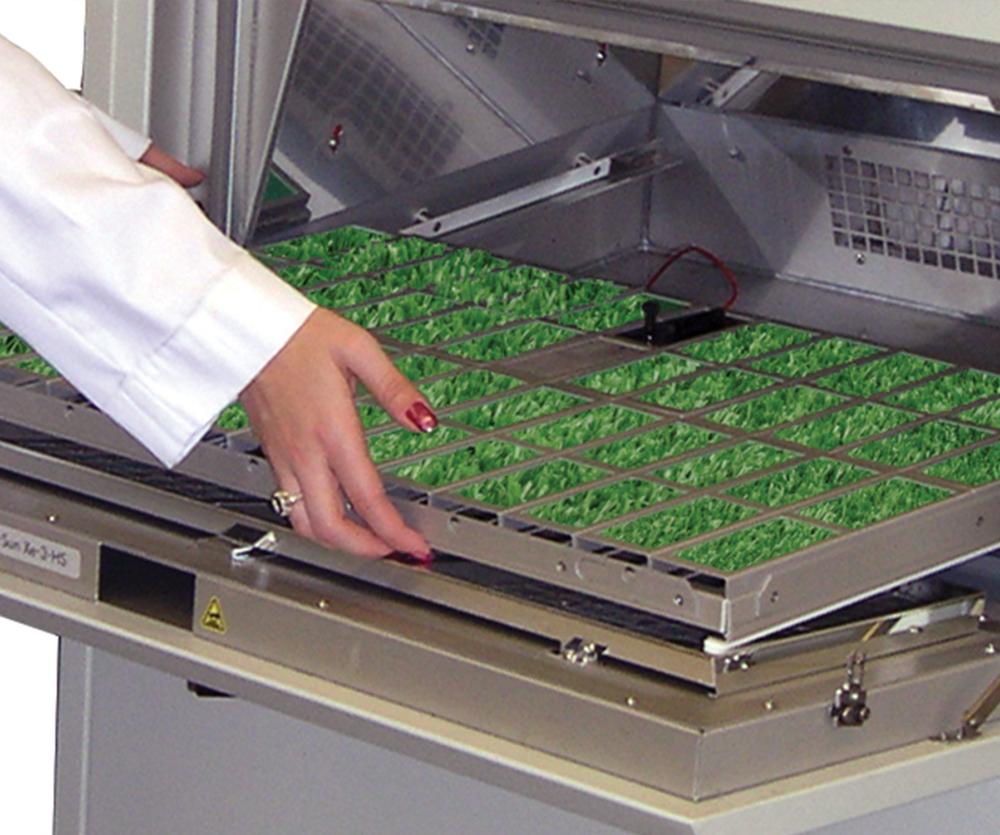
QUV accelerated weathering test chambers and Q-SUN xenon arc test chambers are fully capable of meeting the general testing guidelines provided in ASTM G151 and the related instrument-specific standards it supports and references. QUV testers are designed to perform testing according to ASTM G154 Standard Practice for Operating Fluorescent Ultraviolet (UV) Lamp Apparatus for Exposure of Materials, while Q-SUN testers meet the requirements of ASTM G155 Standard Practice for Operating Xenon Arc Light Apparatus for Exposure of Materials.
For organizations exploring accelerated weathering and light stability testing but not yet ready to invest in QUV or Q-SUN equipment, Q-Lab offers comprehensive laboratory exposure testing services in our fully equipped facilities in Florida and Germany.
Q-Lab’s weathering and light stability tests support quality control, material certification, exterior durability studies, and performance predictions. We also serve as an independent third party when objective verification of test results is required. For more details on our accelerated weathering capabilities, please refer to the Q-Lab Testing Services brochure.
Accelerated Laboratory Testing Resources
Standards
Review setup and performance information on key international and OEM test standards from ASTM, ISO, SAE, JIS, GB, and more.
Document Library
Browse Q-Lab’s extensive library of weathering testing literature and technical content.
Contact Q-Lab
For information on Q-Lab's testing services options, contact our team of experts today!